


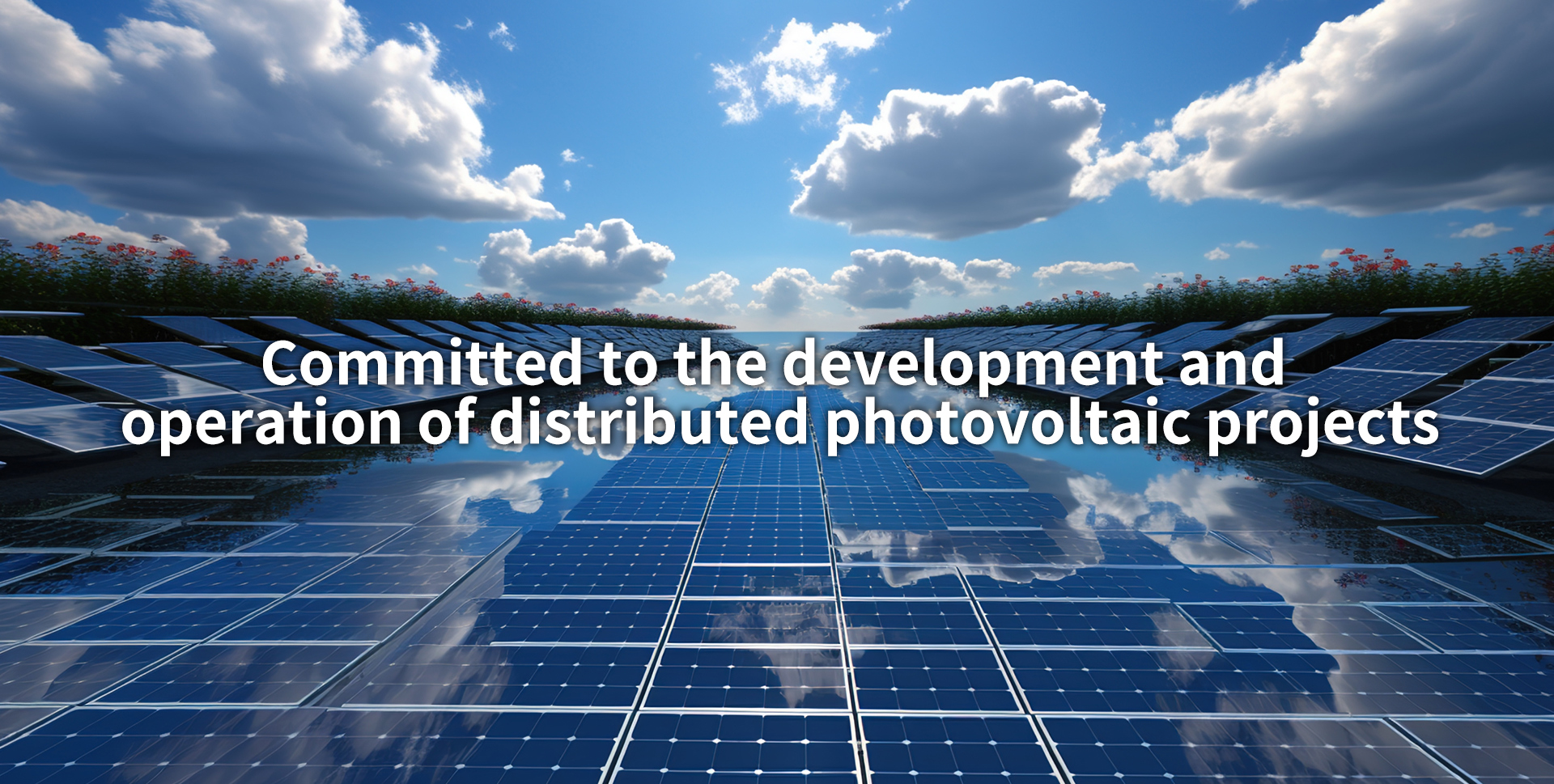

In recent years, relying on abundant solar resources, rural areas in China have vigorously developed the solar photovoltaic power generation industry. Through diversified integrated models such as "photovoltaic + agriculture", "photovoltaic + breeding" and "photovoltaic + rural lighting", solar photovoltaic power generation systems have become a green engine for advancing rural revitalization. These systems have not only addressed the issue of energy supply in rural areas, but also boosted villagers' income and prosperity, blazing a new trail for rural development.
At a "photovoltaic + agriculture" demonstration base in a village, Chinese medicinal herbs, vegetables and other crops are grown under the photovoltaic panels, forming a three-dimensional agricultural model of "power generation above and cultivation below". The solar photovoltaic power generation system adopted by the base has an annual power generation capacity of 5 million kWh. In addition to meeting the electricity demand for production and living at the base, the surplus electricity is connected to the power grid to generate revenue. Meanwhile, the photovoltaic panels effectively block sunlight and reduce surface temperature, creating suitable conditions for the growth of shade-loving crops. This achieves the goal of "dual use of one land and complementarity between agriculture and photovoltaic power", which not only improves land use efficiency but also increases villagers' income. According to the person in charge of the base, the project can increase the village collective's annual income by more than 500,000 yuan and drive employment for over 200 surrounding villagers.
Beyond the complementarity between agriculture and photovoltaic power, rural photovoltaic power generation systems are also widely applied in the construction of rural public facilities. In many administrative villages, solar photovoltaic street lamps illuminate the main rural roads, and photovoltaic-powered irrigation equipment, sewage treatment facilities and other infrastructure have been put into use. This not only solves the energy supply problem of rural public service facilities, but also significantly reduces their operation costs. In addition, many villagers have installed distributed photovoltaic systems on their own roofs. Through the model of "self-consumption of generated power and grid-connection of surplus power", they can save thousands of yuan in electricity bills every year while gaining grid subsidy revenue, thus turning their roofs into "banks".
Relevant authorities stated that they will continue to increase support for the rural solar photovoltaic power generation industry, improve supporting policies, promote the in-depth integration of photovoltaic technology with rural industries, help rural areas achieve clean energy utilization and diversified industrial development, and inject sustained impetus into rural revitalization through clean energy.
Adhering to the philosophy of "Technological Innovation and Win-Win Cooperation", the company is committed to providing customers with cleaner, more eco-friendly and more cost-effective energy solutions, contributing to the country's green energy transition and the achievement of carbon peaking and carbon neutrality goals.
Consultation Hotline: 18662999688